TricksClues Home

Category

Brain Science & Strategy

32 articles

Go Ahead, Google It: The Case for Cheating Your Way to a Smarter Solve

Go Ahead, Google It: The Case for Cheating Your Way to a Smarter Solve

The puzzle community has a dirty secret: the most effective problem-solvers in the world look things up all the time. This is a defense of the strategic shortcut — and an argument that knowing *when* to reach for outside help is a more sophisticated skill than white-knuckling through every clue alone. Put down the guilt and pick up the browser tab.

IQ Tests Lied to You — Escape Rooms Are Telling the Truth

IQ Tests Lied to You — Escape Rooms Are Telling the Truth

Traditional IQ scores measure a narrow slice of human intelligence — and puzzle rooms are blowing the whole thing wide open. Neuroscience is catching up to what escape room enthusiasts have known for years: real-time problem-solving reveals cognitive horsepower that no standardized test can touch. Here's why employers are ditching the old playbook and handing candidates a padlock instead.

Why You Can Crack a Cold Case But Can't Decode Your Own Relationship

Why You Can Crack a Cold Case But Can't Decode Your Own Relationship

You can dismantle an escape room in 45 minutes flat, but somehow a simple argument with your partner leaves you completely stumped. The puzzle skills that make you a legend at game night may actually be working against you in real life — and the reason why is more fascinating than you'd expect.

Spoiler Alert: How Puzzle Training Turns You Into a Human Plot Twist Detector

Spoiler Alert: How Puzzle Training Turns You Into a Human Plot Twist Detector

If you've ever blurted out a movie's ending twenty minutes in and watched your friends' faces fall, your puzzle habit is probably to blame. Solving brain teasers and mysteries rewires your brain to hunt for patterns and anticipate reveals — which is incredible for escape rooms and absolutely terrible for movie night. Here's the neuroscience behind your accidental superpower.

Your Brain Is Sandbagging You: The Hidden Gap Between Puzzle Smarts and Puzzle Scores

Your Brain Is Sandbagging You: The Hidden Gap Between Puzzle Smarts and Puzzle Scores

Brilliant people bomb puzzles all the time — and it has almost nothing to do with raw intelligence. Anxiety, time pressure, and cognitive overload are secretly sabotaging your scores while your actual smarts sit on the bench. Here's what the neuroscience says about why capable solvers choke, and what you can do about it.

One Down, Ten to Go: The Addictive Loop That Keeps Puzzle Lovers Hooked

One Down, Ten to Go: The Addictive Loop That Keeps Puzzle Lovers Hooked

There's a reason you can't stop at just one puzzle. The neurochemistry behind solving mysteries creates a craving loop so powerful it rivals the pull of your favorite binge-worthy show. We dig into the science, the psychology, and the clever design tricks that keep puzzle fans coming back for more.

Cracking the Case in Front of You While Missing the One Behind You

Cracking the Case in Front of You While Missing the One Behind You

The deeper you dive into one puzzle, the more the world around you quietly rearranges itself without your knowledge. Cognitive tunnel vision isn't just a quirk — it's a documented phenomenon that trips up even the sharpest problem-solvers. Here's why your biggest blind spot might be everything you're not currently focused on.

Cracking One Code Breaks Another: The Sneaky Way Puzzle Mastery Blinds You

Cracking One Code Breaks Another: The Sneaky Way Puzzle Mastery Blinds You

Getting really good at one type of puzzle might actually be sabotaging your ability to solve others. This is the strange, counterintuitive world of puzzle tunnel vision — and cognitive scientists, escape room designers, and competition veterans all have something to say about it.

Why the Riddle You Never Solved Lives Rent-Free in Your Head Forever

Why the Riddle You Never Solved Lives Rent-Free in Your Head Forever

That one puzzle you never cracked back in 2015? Your brain has been quietly obsessing over it ever since. Science has a name for why unsolved riddles stick around longer than the ones you nailed — and the answer might actually change how you approach every puzzle you tackle from here on out.
The Better You Get at One Puzzle, the Worse You Get at Everything Else

The Better You Get at One Puzzle, the Worse You Get at Everything Else

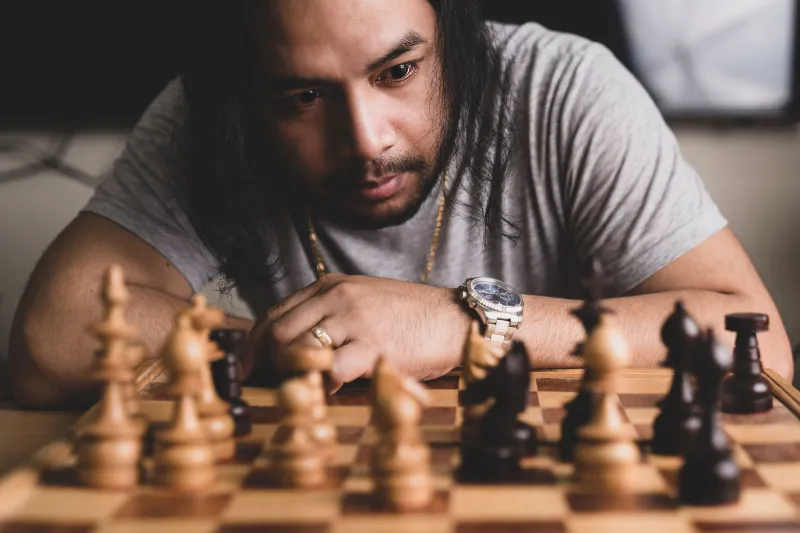
Mastering sudoku, crosswords, or escape rooms feels like leveling up your brain — but neuroscience says something sneakier is happening. Your hard-won expertise might actually be building invisible walls around your thinking. Here's why getting really good at one kind of puzzle can quietly make you worse at all the others.

Silicon Valley Wants to Out-Puzzle the Human Brain — But Can It?

Silicon Valley Wants to Out-Puzzle the Human Brain — But Can It?

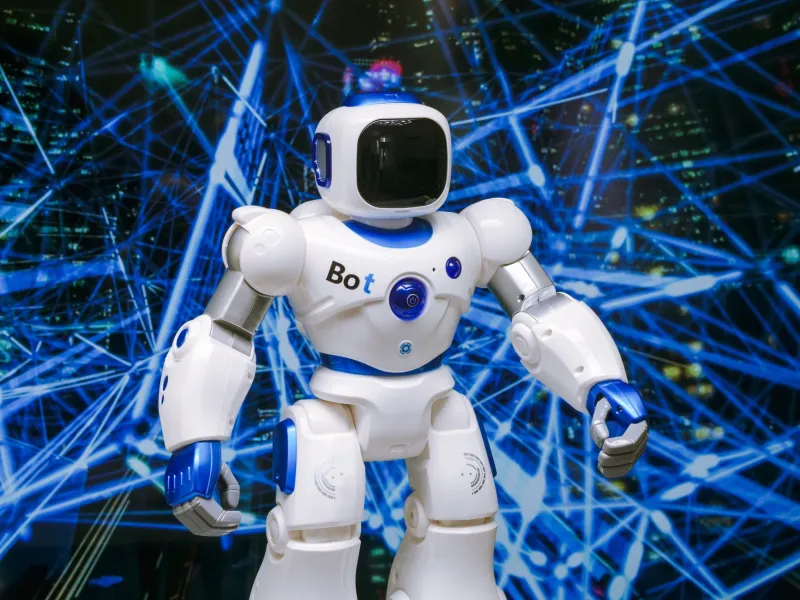
From Google to scrappy gaming startups, the race to build AI-powered puzzle engines is heating up fast. But as machines churn out brain teasers by the millions, puzzle lovers are asking the real question: can an algorithm actually make you feel something when you finally crack the code?
The Quitter's Edge: What Separates Puzzle Champions from People Who Walk Away

The Quitter's Edge: What Separates Puzzle Champions from People Who Walk Away

Every puzzle solver hits a wall where the clues stop making sense and frustration takes over. What happens in your brain at that exact moment — and why some people push through while others bail — might surprise you. We dig into the psychology of dead ends and the mental playbook that champions actually use.